Poland
A central European nation of rebuilt royal cities, Baltic coastline, and forests that predate its borders.
A country rebuilt brick by brick
Poland sits at the flat, wide crossing point of Europe — bordered by the Baltic Sea in the north and the Carpathian and Sudeten mountains in the south. It is the ninth-largest country on the continent by area, and much of its 20th-century history was defined by shifting borders, occupation, and reconstruction. Warsaw's Old Town was rebuilt brick-for-brick from pre-war paintings after 1945; Kraków's survived the war almost untouched.
"The past here isn't a museum piece — it's the material the streets are actually built from."
Poland also holds Europe's last primeval lowland forest, one of the world's oldest continuously worked salt mines, and roughly 770 kilometres of Baltic coastline.
- CapitalWarsaw
- Area312,696 km²
- Population~37.7 million
- Time zoneCET (UTC+1)
- GovernmentParliamentary republic
- NeighboursGermany, Czechia, Slovakia, Ukraine, Belarus, Lithuania
- UNESCO World Heritage sites17
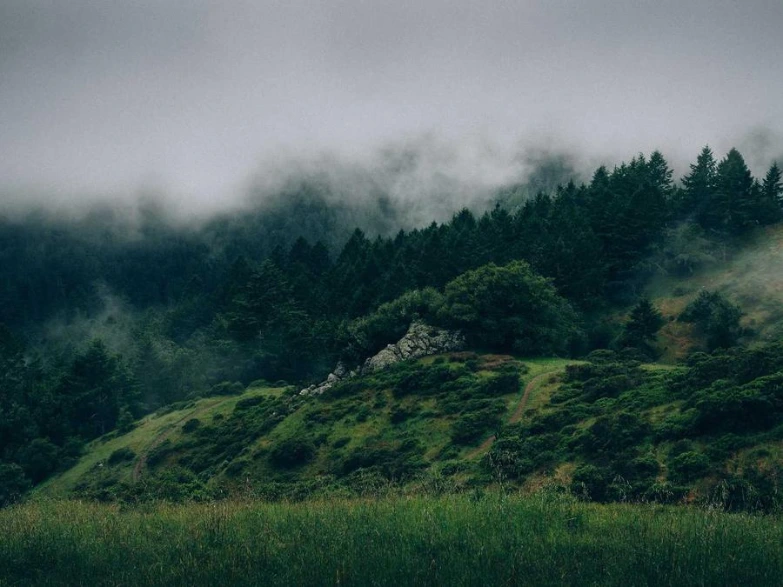
Mostly flat, edged by mountains and sea
The country is dominated by the North European Plain, which is why Poland has historically been easy to cross — and easy to invade. The land rises toward the south into the Sudeten and Carpathian ranges, culminating in the Tatra Mountains near Zakopane, the highest point of the country's own portion of the range.
Poland has a temperate transitional climate: warm, wet summers and cold, snowy winters, with weather that shifts noticeably from the Baltic coast to the southern highlands.
A thousand years, redrawn more than once
Poland's recorded statehood begins with the baptism of Duke Mieszko I, tying the country to Western Christendom and Latin Europe.
Poland was carved up between Russia, Prussia, and Austria for over a century and disappeared from the map entirely, only re-emerging as an independent state after the First World War.
After catastrophic wartime destruction, cities were physically reconstructed under a postwar communist government until the peaceful Solidarity movement led the transition to democracy in 1989.
Five cities, five different Polands
A capital that was roughly 85% destroyed in 1944 and rebuilt from memory and pre-war paintings. The Royal Castle and Old Town Market Place anchor the reconstructed centre; Praga, across the river, is the one district that survived the war intact.
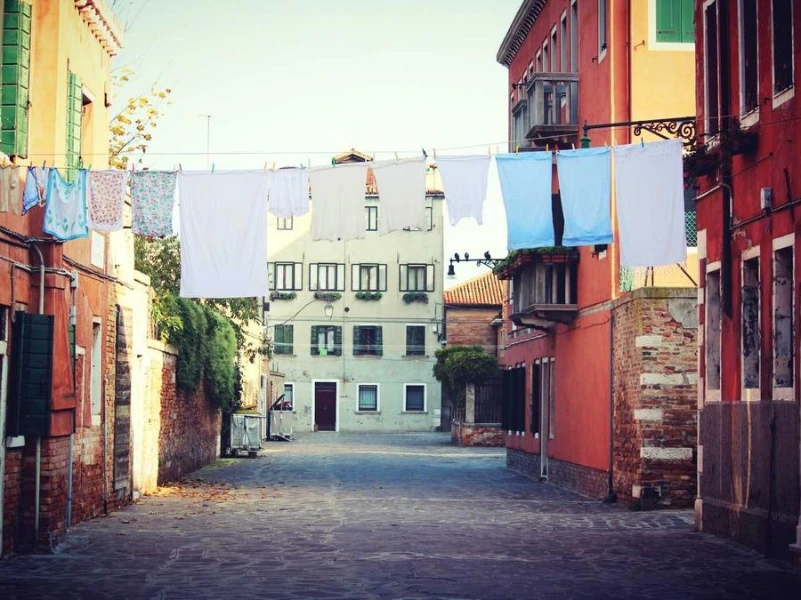
Poland's former royal capital and the one major city that came through the 20th century architecturally whole. Its Main Market Square is the largest medieval town square left standing in Europe, overlooked by Wawel Castle above the Vistula.
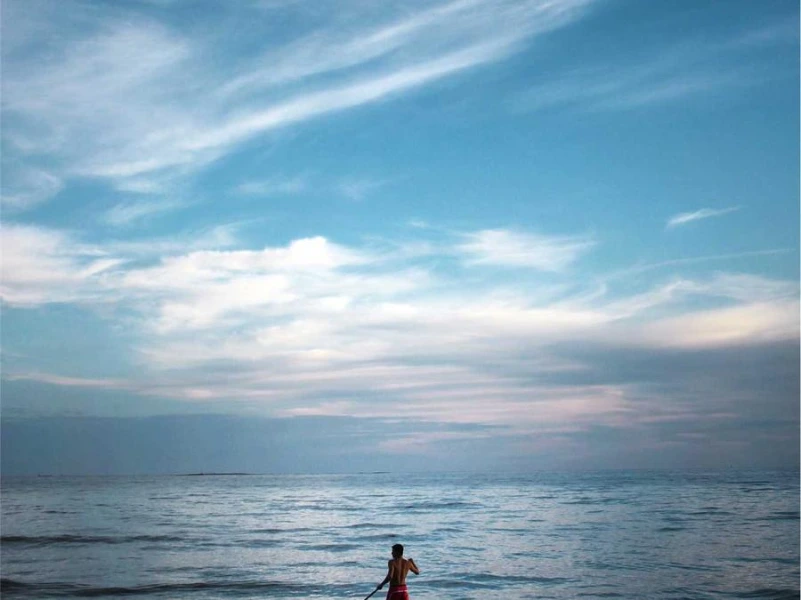
A Hanseatic port rebuilt in its original brick-gabled style, and the historic centre of the European amber trade, which has been shaped here for over a thousand years.
Built across twelve islands on the Oder river and connected by over a hundred bridges. More than six hundred small bronze dwarf statues, a quiet protest symbol from the 1980s, are hidden throughout its streets.
Poland's winter capital and the gateway to the Tatra National Park, known for its distinctive wooden highland architecture and the alpine lake Morskie Oko.
Poland through the seasons
Spring
March to May. Parks bloom across Warsaw and Kraków, and daylight lengthens quickly.
Summer
June to August. The warmest, driest months, and the peak season along the Baltic coast.
Autumn
September to November. Białowieża Forest turns gold and copper across the lowlands.
Winter
December to February. Snow settles over the Tatras and city squares alike.
Food, festivals, and craft
Polish food is built for cold weather and long tables: dumplings, soured soups, and slow-cooked stews that appear at nearly every family gathering. Milk bars (bar mleczny) — a state-subsidised canteen style still found in most old towns — serve home-style meals to this day.
Kraków's Lajkonik parade in early summer and Wianki midsummer celebrations, when wreaths are floated on the rivers at dusk, are among the country's best-known folk traditions.
A parliamentary republic
Poland is a parliamentary republic with a President as head of state and a Prime Minister leading the government. It has been a member of the European Union since 2004 and of NATO since 1999.
One of Europe's largest economies
Poland has one of the largest economies in Central Europe, with strong manufacturing, agriculture, and IT sectors. The złoty (PLN) remains the national currency, and the country has not adopted the euro.
Practical information
- Entry
- Poland is part of the Schengen Area. Requirements vary by nationality, so check current visa rules before travelling.
- Getting around
- Intercity trains connect Warsaw, Kraków, Gdańsk, and Wrocław, while city trams and buses cover local travel.
- Money
- The złoty (PLN) is the local currency. Card payments are widely accepted, including at small cafés and markets.
- Language
- Polish is the official language; English is commonly understood in cities and at tourist sites.
- Safety
- Poland consistently ranks among Europe's safer countries, with low rates of violent crime in cities.
What people remember most
Kraków's square at 7am, before the crowds, is the version of Poland I still think about.
Nobody told me the Baltic coast would feel like this — pine forest right up to the sand.
We hiked up to Morskie Oko in fog and came back down into full sun. Unforgettable single day.
Poland in frames
A country worth more than one visit
From rebuilt royal cities to the Baltic coast and the Tatra highlands, Poland's regions each tell a different part of the same thousand-year story.