Italia
A peninsula of empires, art, appetite and — for a growing number of international students — some of the oldest universities on Earth.
A country shaped like a boot, and a culture that shaped the West
Italy sits in south-central Europe, a peninsula reaching into the Mediterranean, framed by the Alps to the north and surrounded by nearly 800 islands, including Sicily and Sardinia. It shares borders with France, Switzerland, Austria and Slovenia, and encloses two microstates: Vatican City and San Marino.
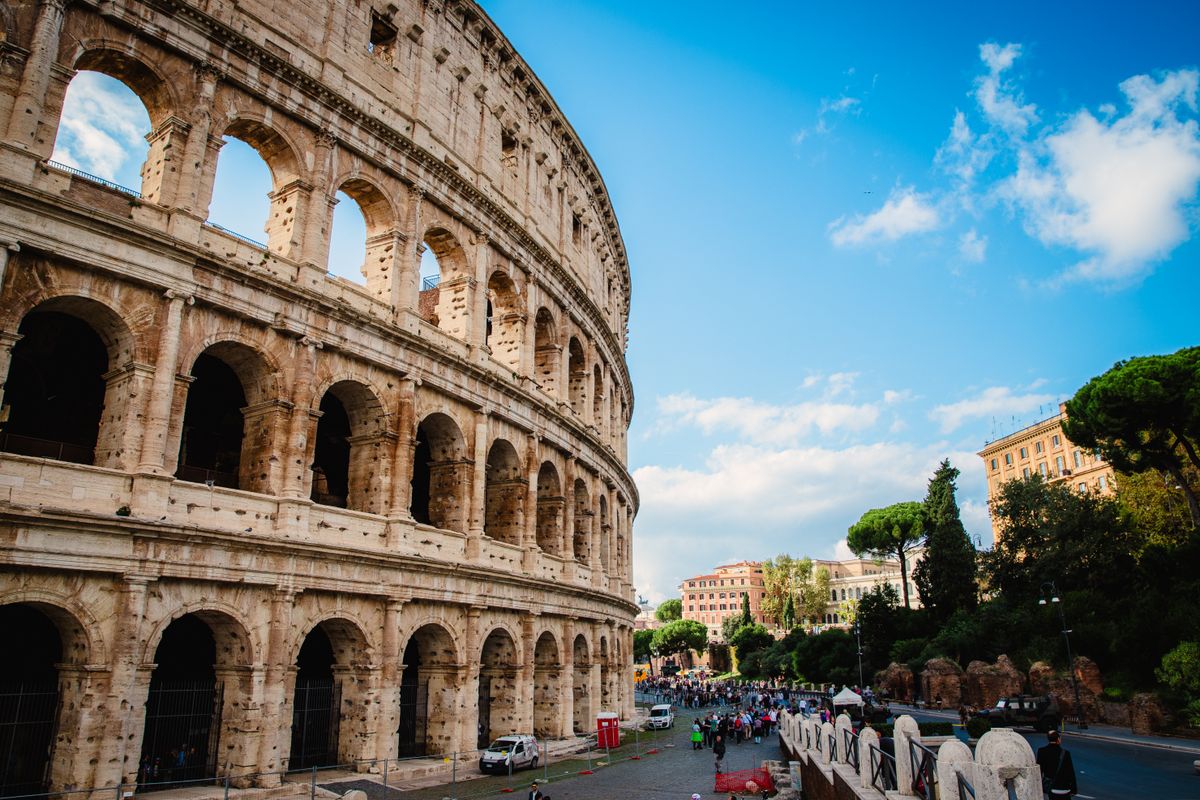
From the founding of Rome to the flowering of the Renaissance, Italy has repeatedly rewritten how the world builds, governs, paints and eats. It is a founding member of the European Union and NATO, and holds more UNESCO World Heritage Sites than any other nation.

From alpine peaks to Mediterranean shoreline
The Apennine mountains form Italy's spine, while the Alps arc across its northern frontier. The fertile Po Valley holds much of the country's agriculture and industry, and active volcanoes — Vesuvius, Etna, Stromboli — remind visitors this landscape is still being made.
Italy's 20 regions each keep a distinct identity, and nearly 8,000 kilometres of coastline separate the Tyrrhenian, Ionian and Adriatic seas.
Apennine Mountains Po Valley Mount Vesuvius Sicily & Sardinia Amalfi Coast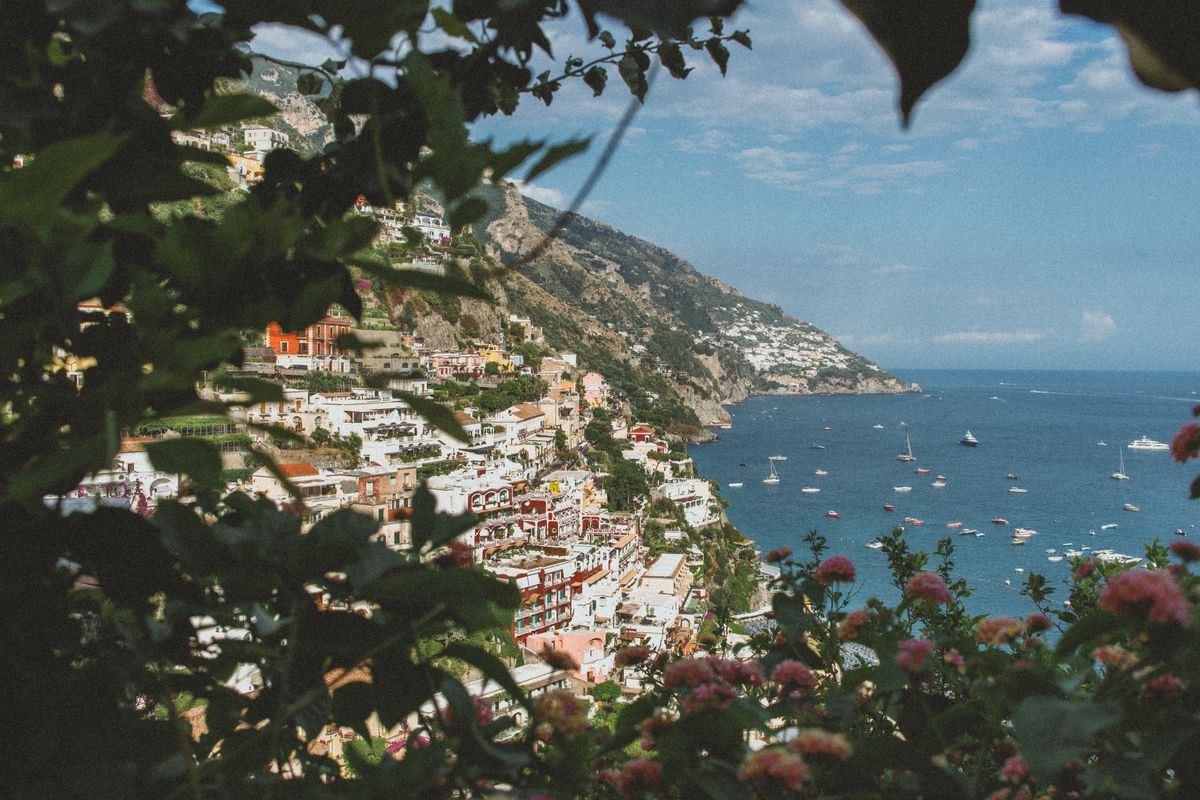
Four cities, four different Italys
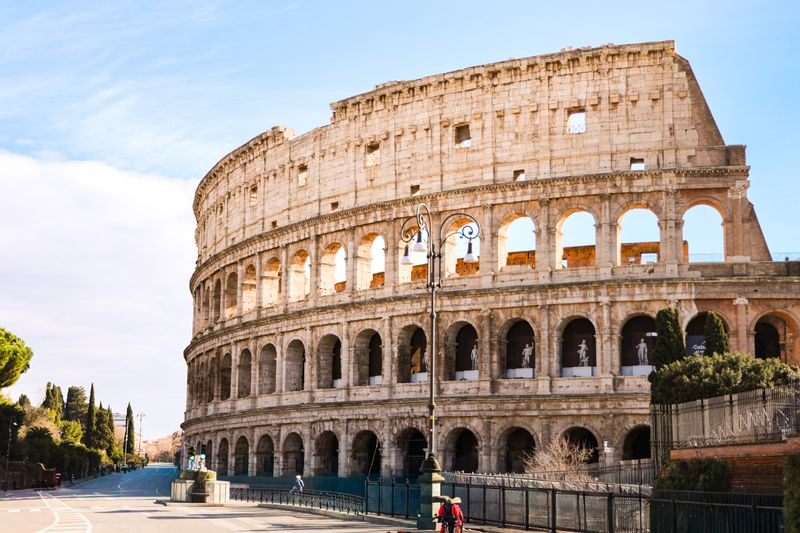
Rome
Ancient ruins, Baroque piazzas and the Vatican, layered across three thousand years.

Venice
A city built on water, held together by 400 bridges and centuries of trade.
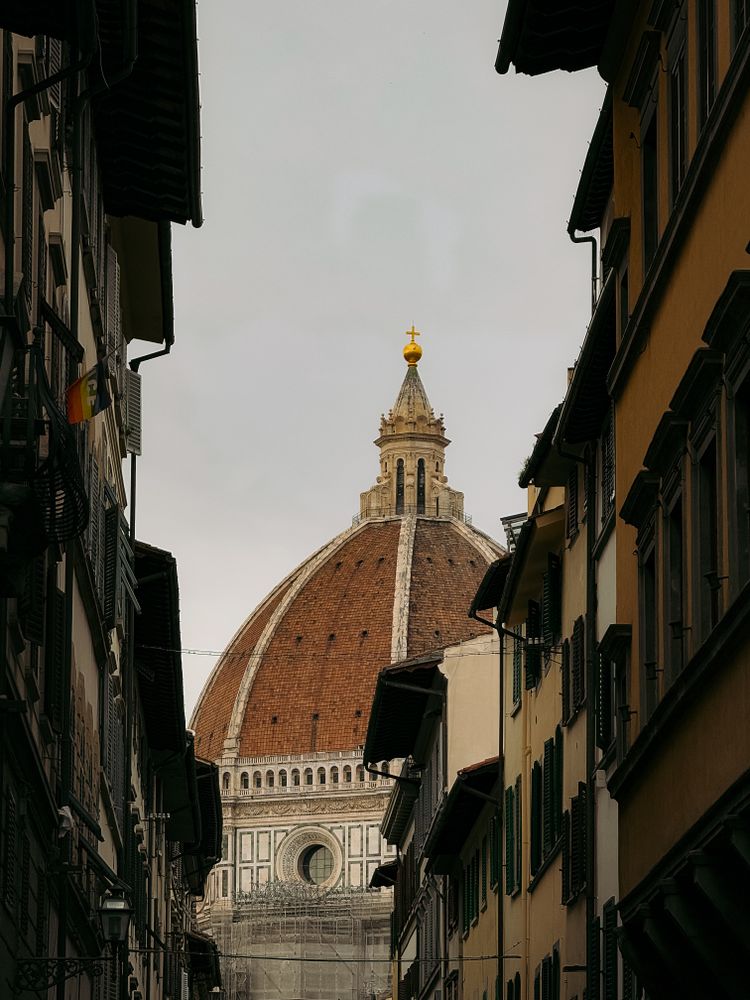
Florence
Home to Michelangelo, the Medici, and the dome that changed architecture.
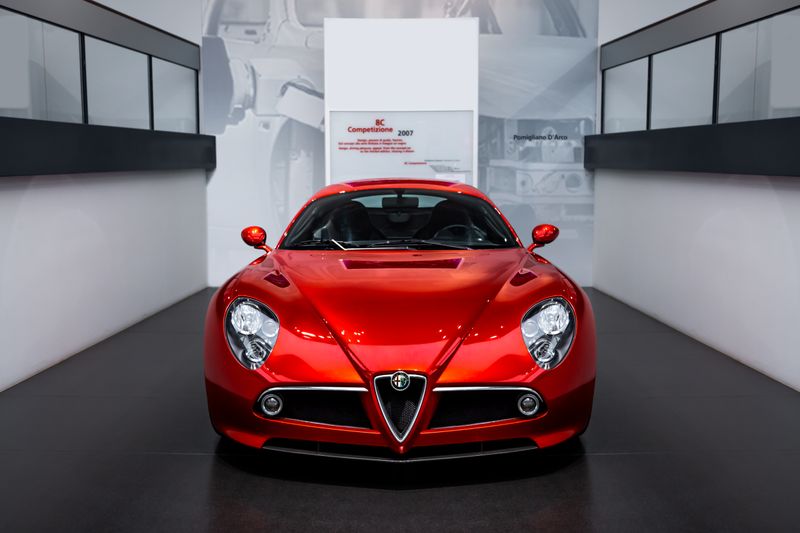
Milan
Fashion houses, financial towers, and Italy's restless, modern edge.
A table built region by region
Italian food resists a single definition because it was never one cuisine — it is twenty regional pantries, each shaped by its own coastline, soil and history. The north leans on butter, rice and cured meats; the south on olive oil, tomatoes and durum wheat.
Pizza came from Naples, ragù from Bologna, risotto from the Po Valley, and gelato traces back to Renaissance Florence.
Pizza Napoletana Fresh Pasta Risotto Espresso Gelato
Art, culture and 60 UNESCO sites
No country holds more UNESCO World Heritage Sites than Italy. The Renaissance began in its city-states, opera was born on its stages, and its museums — the Uffizi, the Vatican Museums, the Galleria Borghese — hold some of the most studied art in existence.
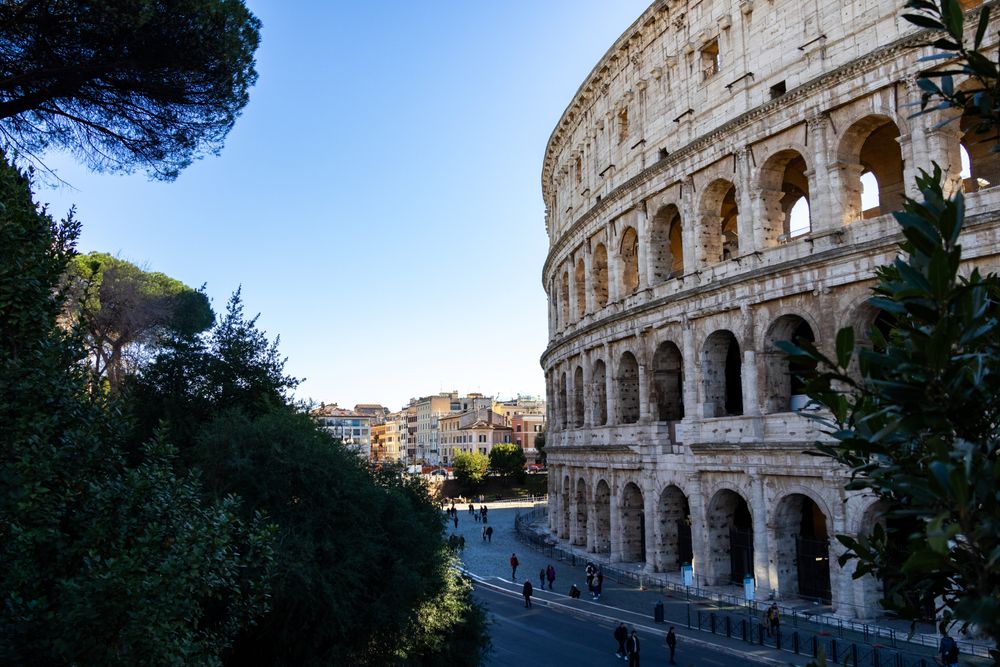

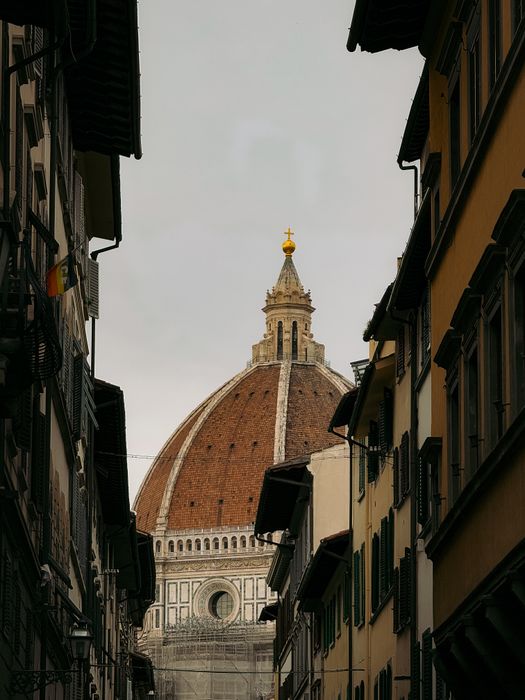

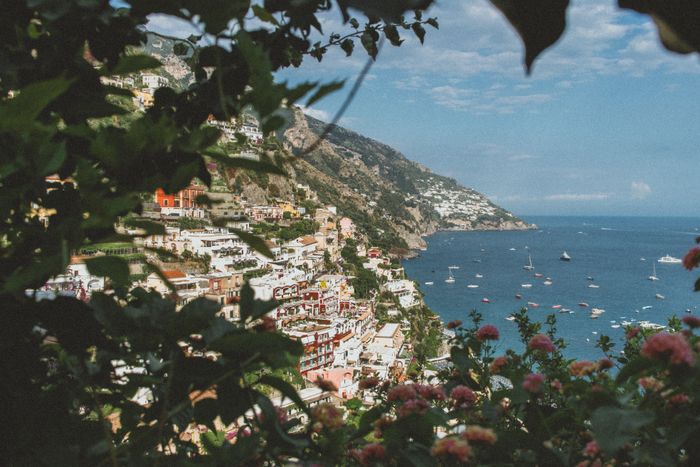
Study in Italy — home to the world's oldest university
Italy has drawn students to its lecture halls since the 11th century. Today it hosts one of Europe's largest international student populations, spread across a mix of medieval university towns and modern research campuses.

Why students choose Italy
Degrees taught in English are now common at the master's level, tuition is generally lower than in the UK or US at public universities, and the Erasmus+ programme makes Italy one of the easiest countries in Europe to study in for a single term without transferring institutions.
Beyond the classroom, students live inside the same cities they are studying — Renaissance frescoes and Roman ruins are a walk from most lecture halls, not a weekend excursion.
A few of Italy's oldest and most respected universities
University of Bologna
The oldest university in the Western world, still known to Italians as "La Dotta" — the learned one.
Sapienza University of Rome
One of the largest universities in Europe by enrolment, with faculties spanning almost every discipline.
Politecnico di Milano
Italy's largest technical university, known internationally for engineering, architecture and design.
Bocconi University
A Milan institution regarded as one of Europe's leading schools for economics, finance and management.
How the academic system is structured
- Laurea — a three-year Bachelor's degree, the standard first step after high school.
- Laurea Magistrale — a two-year Master's degree, often taken with a different specialisation.
- Dottorato di Ricerca — a research doctorate (PhD), typically three to four years.
- Erasmus+ — a semester or year of study in Italy while remaining enrolled at a home university abroad.
Documents international students typically need
- A valid passport and, for non-EU citizens, a national (Type D) study visa.
- A signed letter of acceptance from an accredited Italian university.
- Proof of accommodation for the first period of study.
- Valid health insurance coverage for the duration of the stay.
- A Permesso di Soggiorno (residence permit), applied for shortly after arrival.
Festivals that carry centuries forward
Italian identity is renewed every year through festivals that predate the modern nation itself — costume, contest, faith and food, all performed in public.
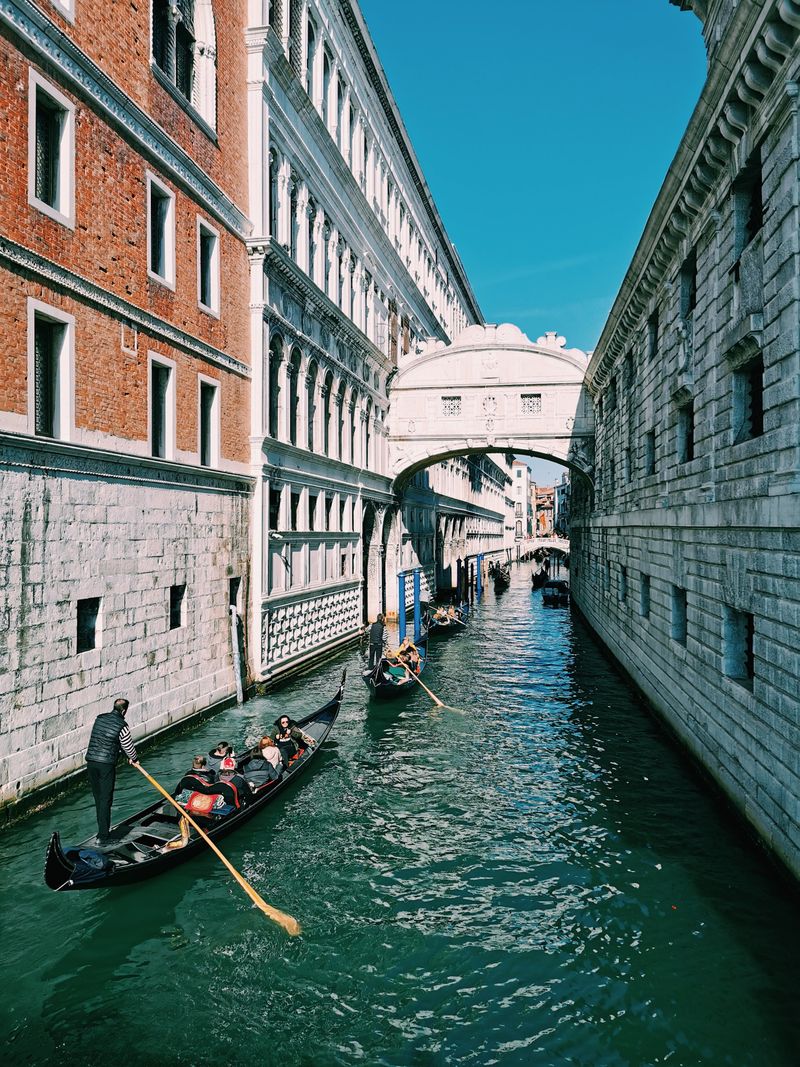
- Feb – MarCarnevale di Venezia. Two weeks of elaborate masks and costume, dating to the 12th century.
- Jul & AugPalio di Siena. A bareback horse race around Siena's shell-shaped piazza.
- 15 AugFerragosto. A national holiday rooted in the ancient Roman Feriae Augusti.
- AutumnSagre. Thousands of small-town harvest festivals built around a single local ingredient.
- 24 DecLa Vigilia. A Christmas Eve seafood feast shared with extended family.
Design, fashion and engineering as national language
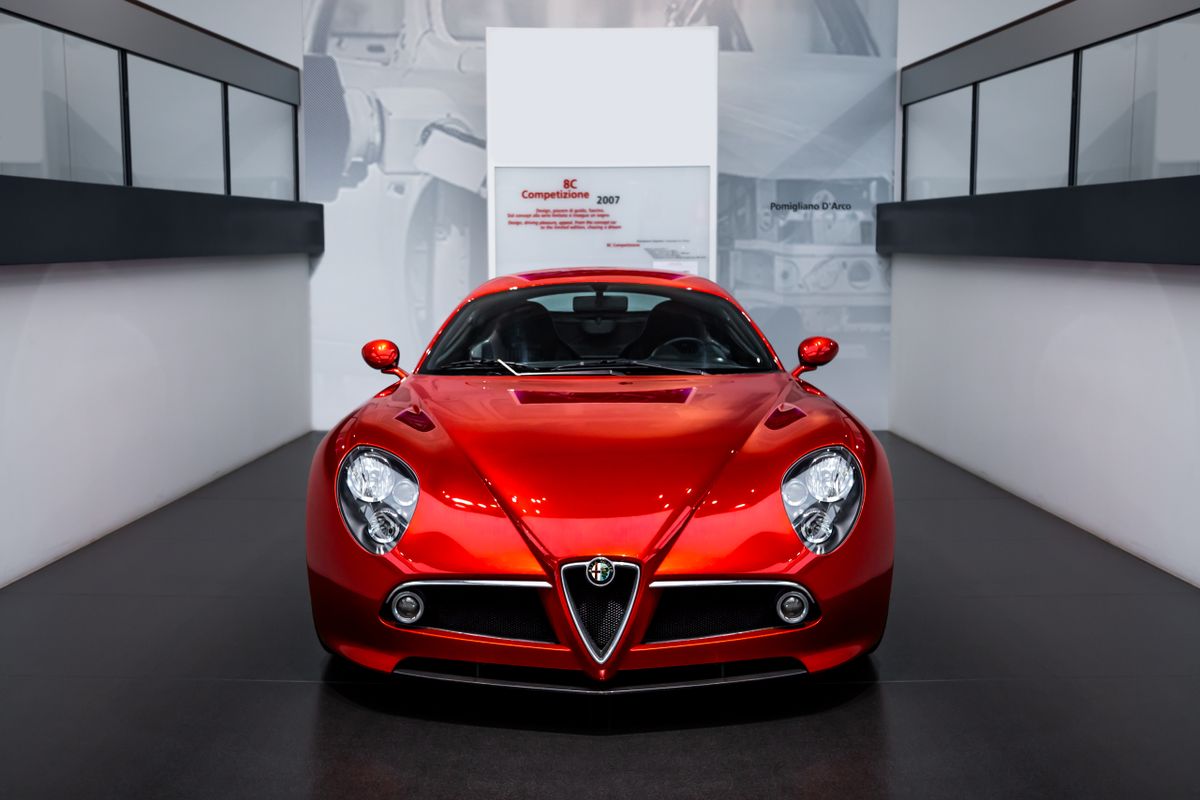
"Made in Italy" is shorthand for a standard of craftsmanship, not just a country of origin — the ateliers of Milan's fashion houses, the workshops behind Italian furniture, and a motoring heritage carried by Ferrari, Lamborghini, Alfa Romeo and Ducati.
This same instinct for form runs through Italian industrial design — espresso machines, scooters, typewriters — objects engineered to be looked at as much as used.
A few things worth knowing before you go
Best time to travel
Late spring and early autumn bring mild weather and thinner crowds than the height of summer.
Getting around
A dense high-speed rail network links Rome, Florence, Milan, Venice and Naples in a few hours.
A little language
Buongiorno (good day), grazie (thank you) and per favore (please) go a long way.
Italy rewards those who slow down
Whichever region — or campus — draws you in first, another is always waiting to be discovered next.