Germany
Germany is one of the most sought-after destinations for international students, known for tuition-free or low-cost public universities, English-taught master's programmes, and a direct path from graduation to skilled-worker employment. This guide covers the details students preparing through IELTS, PTE Academic, TOEFL and similar exams actually need: top universities, top student cities, and a full fee and cost-of-living breakdown.
Why students choose Germany
Beyond the well-known cost advantage, Germany combines research-driven teaching, a strong engineering and science reputation, and one of Europe's largest job markets for graduates.
Low or no tuition at public universities
Most public universities charge only a semester contribution; a handful of states charge modest tuition for non-EU students.
Recognised degrees worldwide
German public universities are state-accredited and their degrees are widely recognised by employers and other universities.
Work rights while studying
International students can work up to 140 full days or 280 half days a year alongside their studies.
Post-study work visa
Graduates get an 18-month residence permit to search for a job related to their qualification.
Wide range of English-taught programmes
Most master's programmes and a growing number of bachelor's programmes are taught fully in English.
Top 10 universities in Germany
Ranked by international reputation, research output and popularity with international students
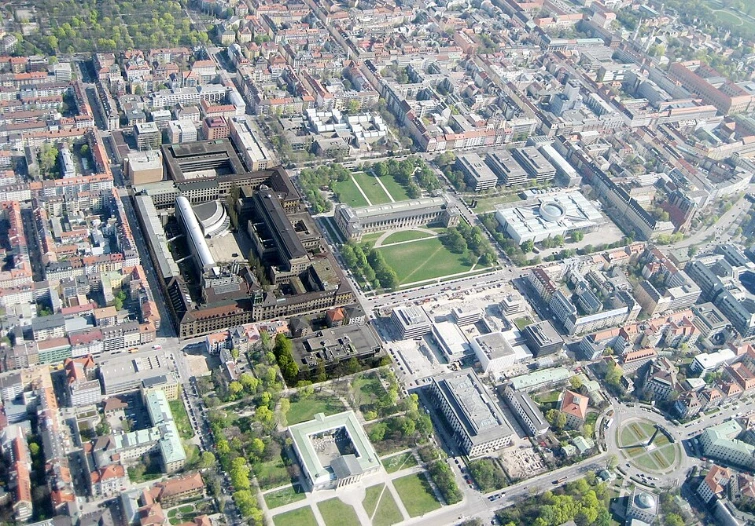
Technical University of Munich
Germany's top-ranked university for engineering, computer science and natural sciences, with strong industry links across Bavaria's tech sector.
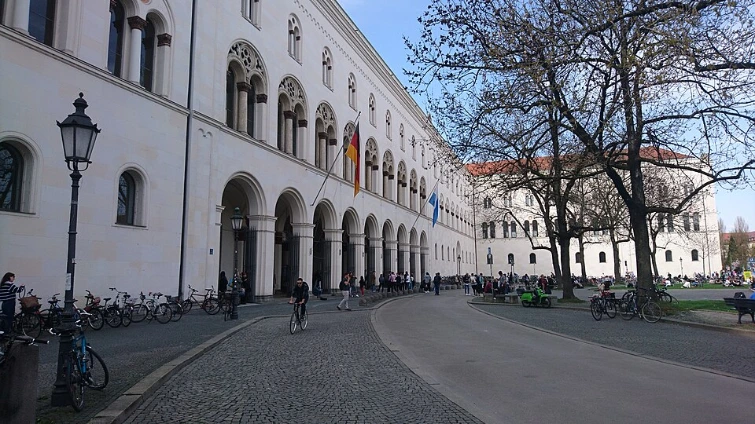
Ludwig Maximilian University of Munich (LMU)
One of Europe's oldest and most research-intensive universities, strong in medicine, law, natural sciences and the humanities.
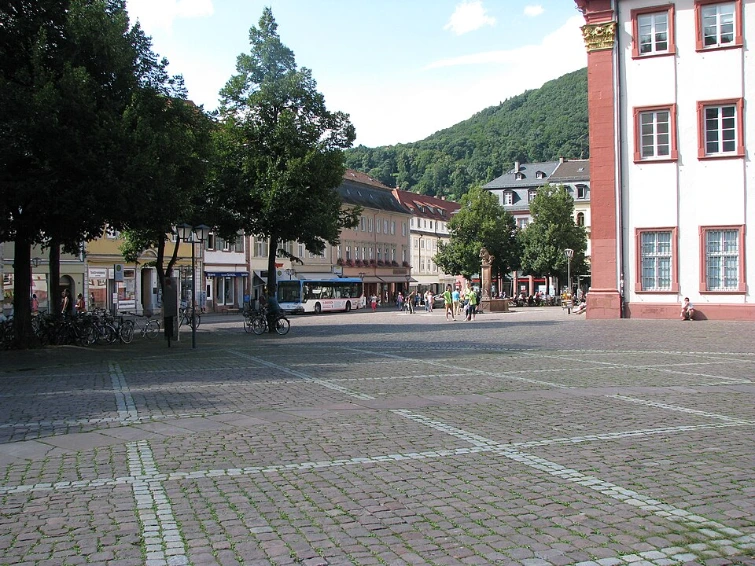
Heidelberg University
Germany's oldest university, founded in 1386, with an international reputation in medicine, life sciences and physics.
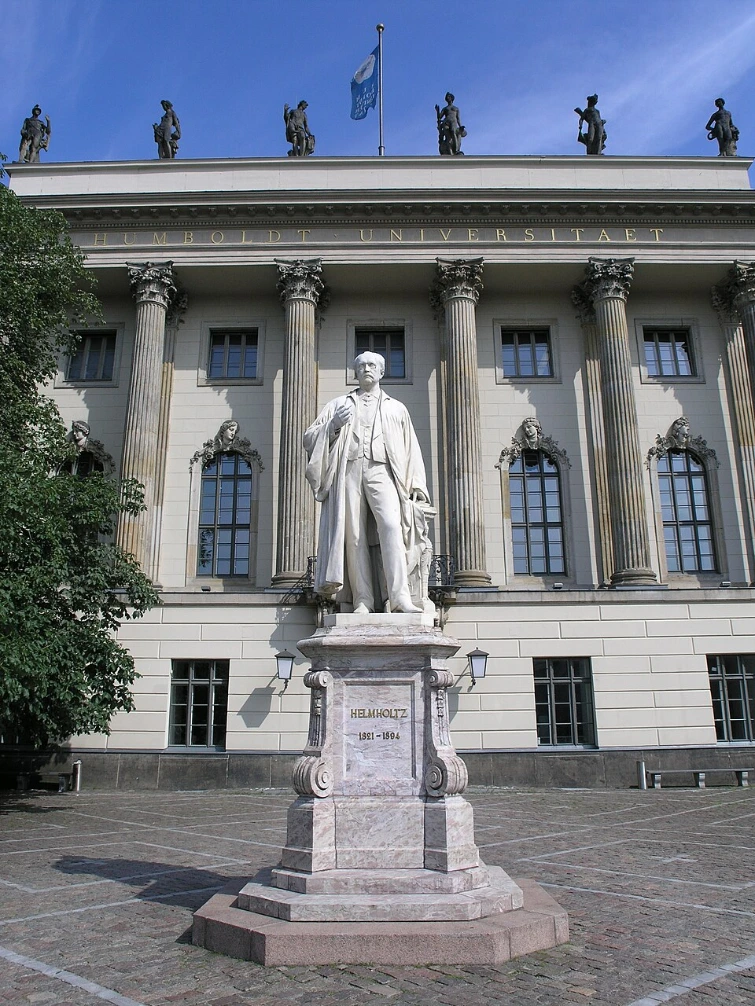
Humboldt University of Berlin
A founding influence on the modern research university model, well known for law, humanities and social sciences.
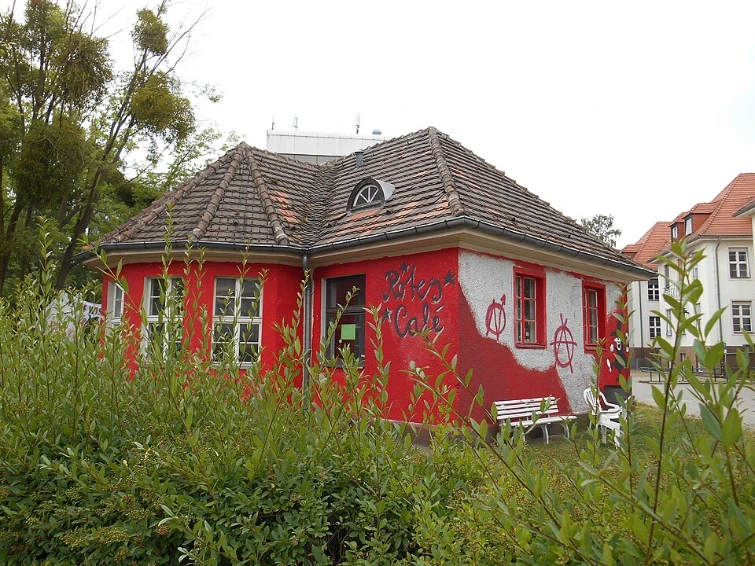
Free University of Berlin
Berlin's largest university by student numbers, with strengths in political science, medicine and the humanities.
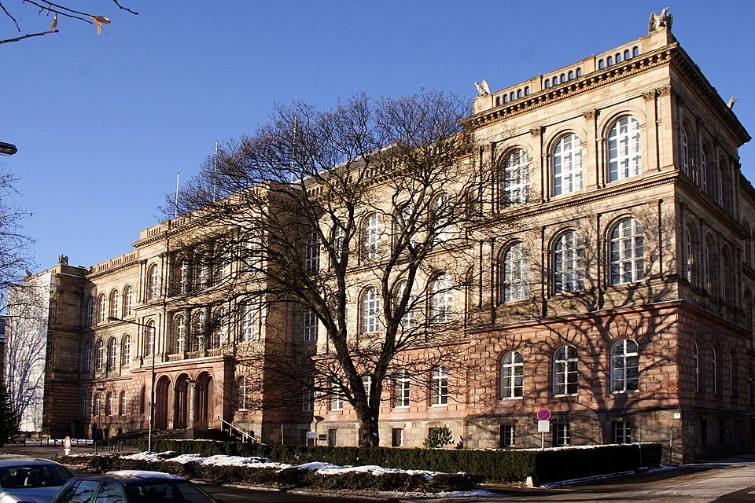
RWTH Aachen University
Germany's largest technical university, a top choice for mechanical, electrical and industrial engineering.
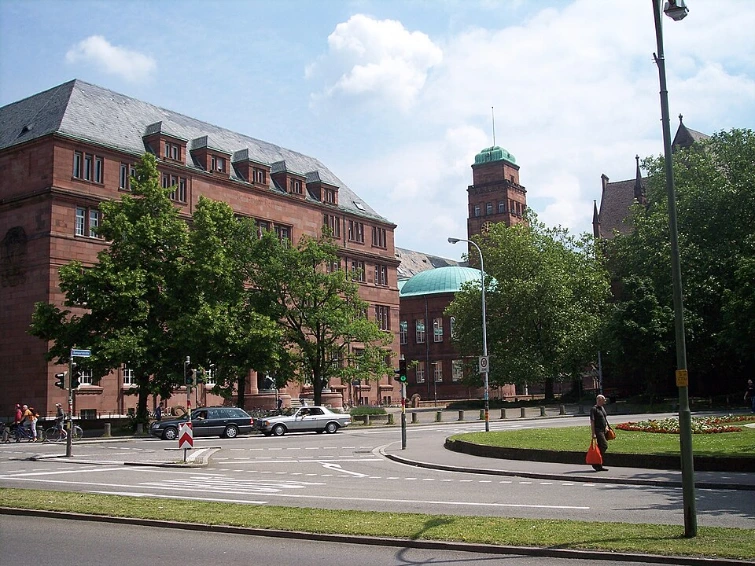
University of Freiburg
A leading name in environmental sciences, medicine and the humanities, set in one of Germany's greenest student cities.
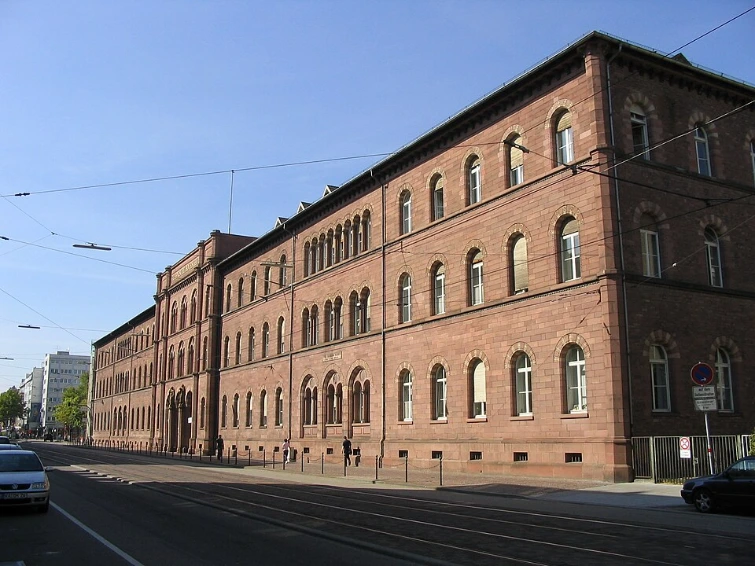
Karlsruhe Institute of Technology (KIT)
A German University of Excellence formed from the merger of a technical university and a national research centre, strong in engineering and IT.
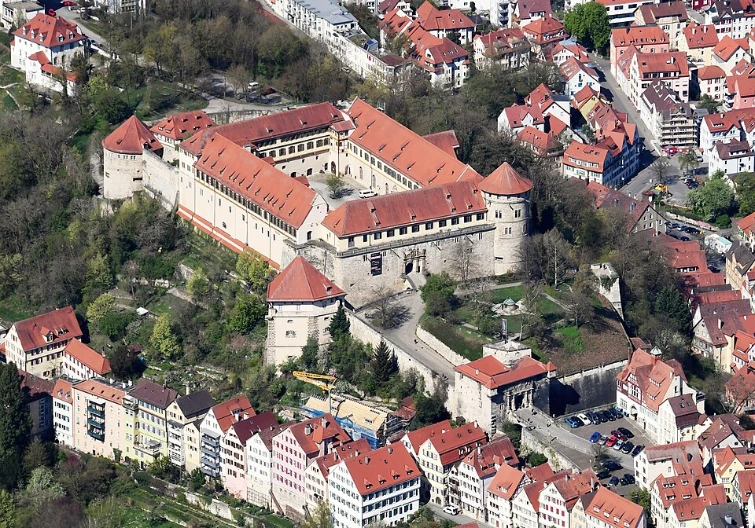
University of Tübingen
Renowned for medicine, natural sciences and machine learning research, based in a compact, student-dominated old town.
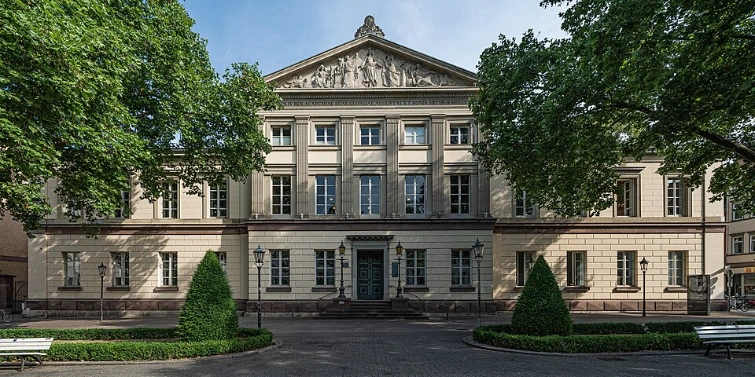
University of Göttingen
A historic research university linked to more than 40 Nobel laureates, strong in mathematics, physics and agricultural sciences.
Top 10 cities for international students
Chosen for university density, student life, job opportunities and cost of living
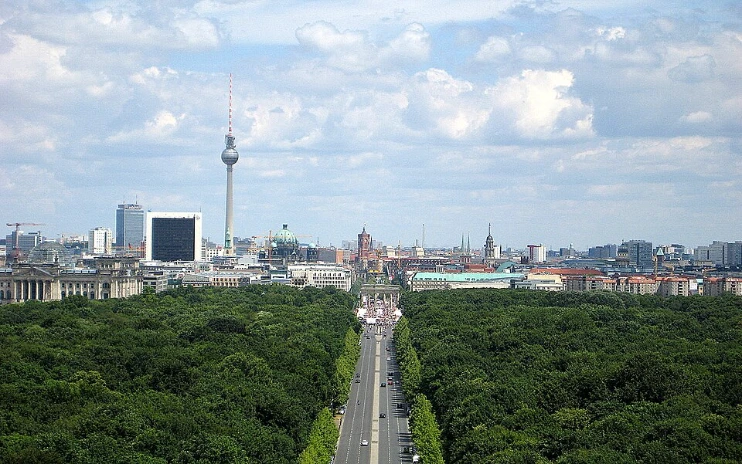
Berlin
Four major universities, a large startup and tech job market, and relatively affordable rent for a capital city.
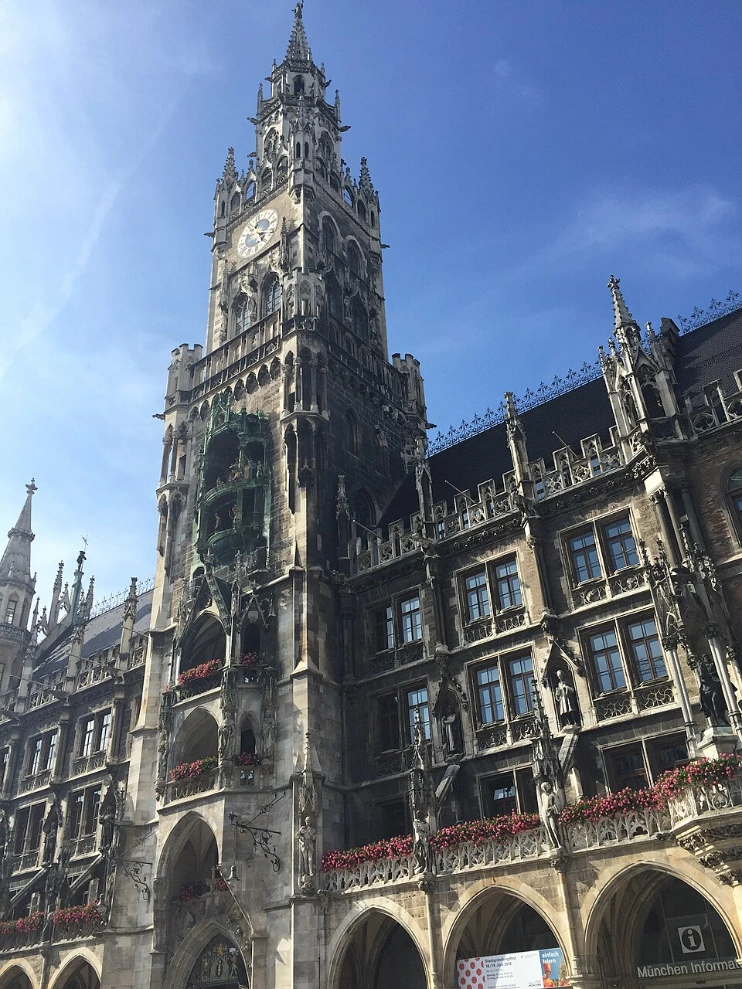
Munich
Home to TUM and LMU, and headquarters to BMW, Siemens and Allianz — strong for engineering and business graduates, though the most expensive German city.
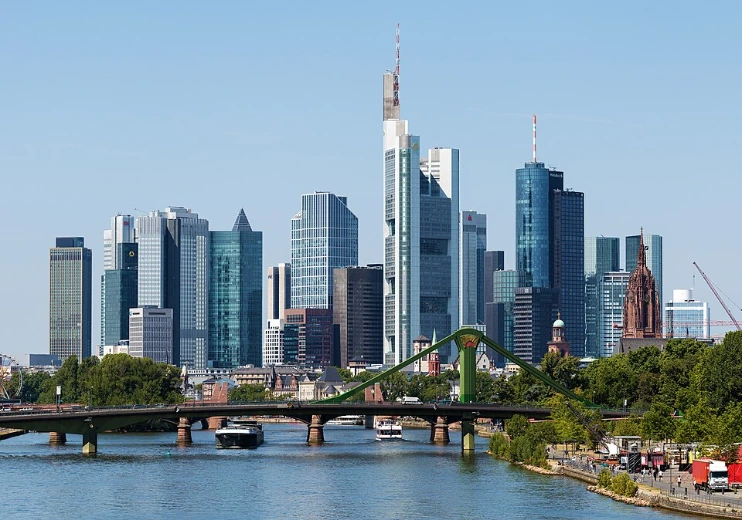
Frankfurt
Germany's financial capital, a strong choice for finance, business and economics students, with excellent international flight connections.
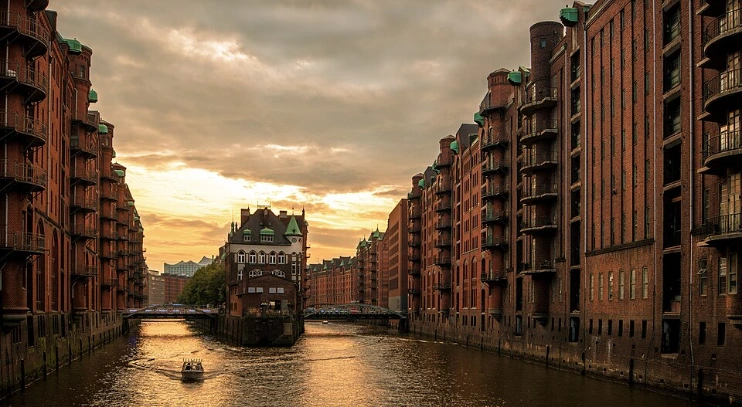
Hamburg
A major port city with a large media, logistics and trade sector, and one of the highest numbers of international companies per capita.
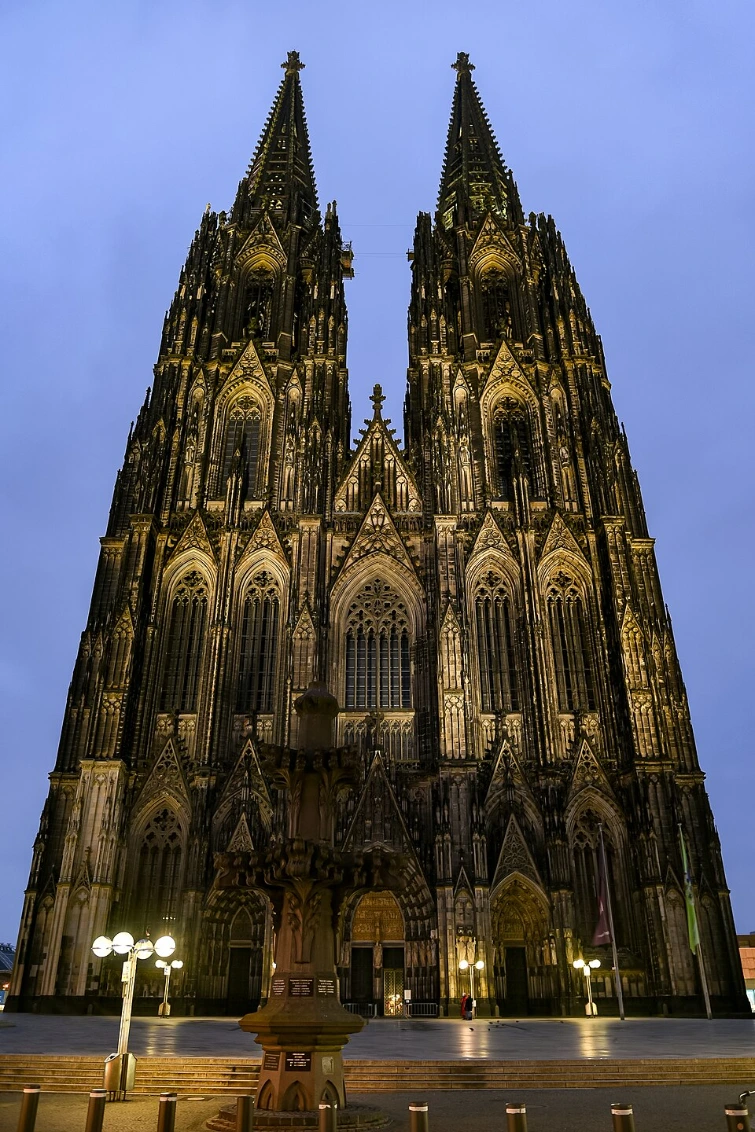
Cologne
Home to one of Germany's largest universities by enrolment, with a well-connected, affordable student lifestyle on the Rhine.
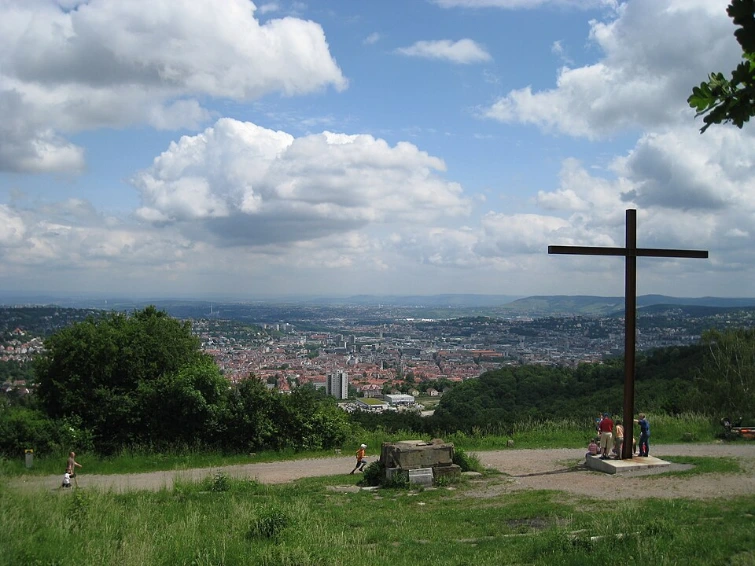
Stuttgart
Automotive and engineering hub, headquarters to Mercedes-Benz and Porsche, with strong graduate hiring in mechanical and electrical engineering.
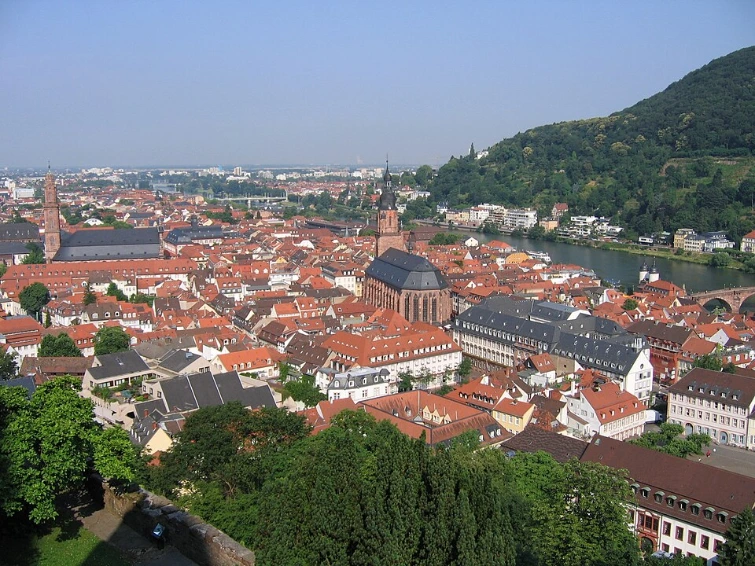
Heidelberg
A small, walkable university town built around one of Europe's oldest universities, popular for a close-knit student community.
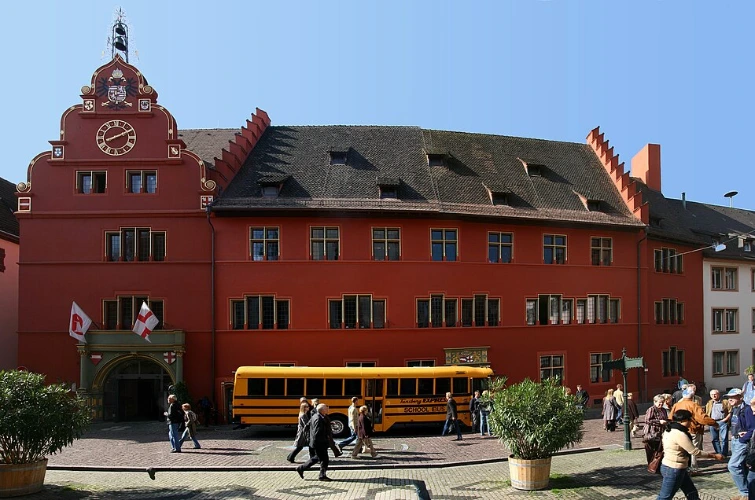
Freiburg im Breisgau
A sunny, bike-friendly city on the edge of the Black Forest, well regarded for environmental and life sciences study.
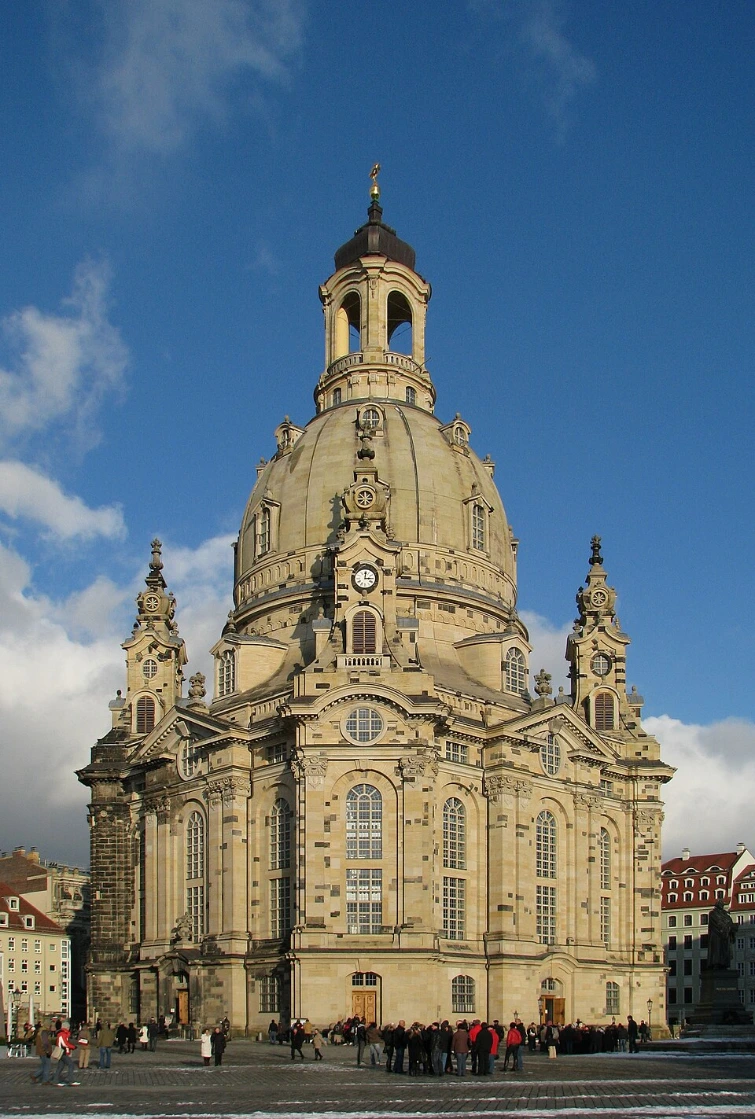
Dresden
A rebuilt baroque city with a growing semiconductor and microelectronics cluster, and noticeably lower living costs than western Germany.
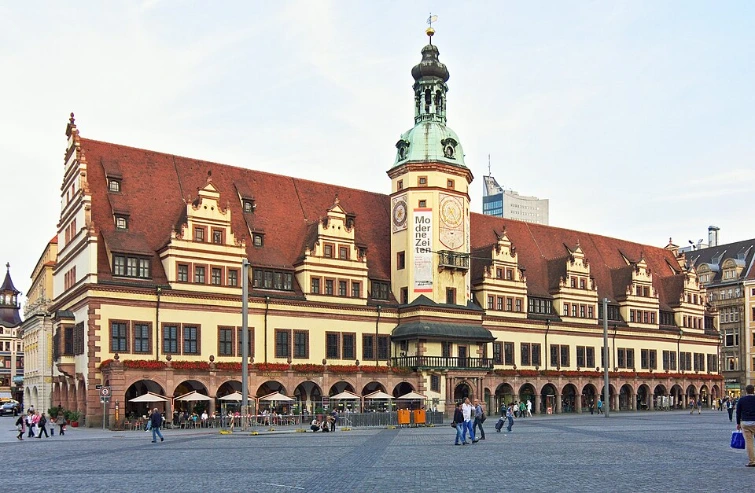
Leipzig
One of Germany's fastest-growing cities, with a strong music and creative scene and some of the country's most affordable student rents.
English test requirements
Typical minimum scores for English-taught programmes — individual universities may set their own thresholds
| Test | Bachelor's programmes | Master's / MBA programmes |
|---|---|---|
| IELTS Academic | 6.0 overall, 5.5 per band | 6.5 overall, 6.0 per band |
| PTE Academic | 55 – 59 | 60 – 65 |
| TOEFL iBT | 75 – 80 | 85 – 95 |
| Duolingo English Test | 95 – 100 | 110 – 120 |
| Cambridge C1 Advanced | Grade C or above | Grade B or above |
For German-taught programmes, universities instead ask for TestDaF, DSH or the Goethe-Zertifikat, typically at level B2 or C1. GRE or GMAT is sometimes required for MBA and select master's programmes, but is not mandatory for most subjects.
Every university and state sets its own exact tuition, English-test cutoff and application deadline, so always confirm current figures on the official university website or with the German embassy before applying.